What is a Uganda safari holiday, and what makes it unique?
A Uganda safari holiday is an adventure trip to Uganda, a beautiful country in East Africa known for its incredible wildlife and breathtaking scenery. People from all over the world visit Uganda to explore its national parks, spot rare animals, and experience nature at its finest. What makes this African country unique compared to other safari destinations is that it’s one of the only places on Earth where you can see endangered mountain gorillas in their natural habitat. This aspect of ugandan gorilla trekking is a highlight of many trips and draws visitors to Uganda for a chance to trek through dense forests to meet these majestic animals up close.
Uganda is also nicknamed the “Pearl of Africa” because of its diverse landscapes. You’ll find lush tropical rainforests, sprawling savannahs, misty mountains, and large lakes like Lake Victoria (the second largest freshwater lake in the world). It’s this combination of biodiversity and scenery that makes a safari here so special, especially for those who love Uganda safaris.
Unlike safaris in other African countries, such as Kenya or Tanzania, where you might primarily see big cats and savannah landscapes, Uganda offers a more varied adventure. For example, in addition to gorillas, you can see chimpanzees, lions, elephants, buffalos, and even tree-climbing lions in certain national parks. Uganda’s wildlife safaris are often quieter, with fewer crowds, which makes the experience feel more personal and immersive, especially during gorilla safaris.
In addition, Uganda offers cultural richness, as travelers can meet local tribes such as the Batwa people, who have a deep connection to the forests. So, a safari in Uganda is not only about seeing wildlife but also about learning about the vibrant culture and traditions of the people who live there.
In short, a Uganda safari holiday is an unforgettable journey packed with stunning wildlife, amazing landscapes, and rich cultural encounters. It combines adventure and tranquility, making it perfect for nature lovers and those seeking a one-of-a-kind experience in the heart of Africa.
What are the top national parks and wildlife reserves to visit in Uganda?
Uganda has several incredible national parks and wildlife reserves that are popular for their unique animals and landscapes. Each park offers something special, so your itinerary can be tailored to your interests. Here are the top parks you shouldn’t miss:
- Bwindi Impenetrable National Park: This park is world-famous for gorilla trekking. It’s home to nearly half of the world’s mountain gorilla population. Trekkers hike through thick jungles to watch these gentle giants in their natural habitat, making this park one of Uganda’s biggest highlights.
- Queen Elizabeth National Park: Known for its amazing variety of wildlife, this park has everything from lions (including rare tree-climbing lions) to elephants, buffalos, and hippos. The Kazinga Channel, a river that runs through the park, is great for boat safaris where you can spot animals like crocodiles and birds close up.
- Murchison Falls National Park: This is Uganda’s biggest national park, and it’s famous for the stunning Murchison Falls, where the Nile River crashes through a narrow gorge. Wildlife safaris here feature elephants, giraffes, lions, and plenty of hippos along the riverbanks. You can also take boat rides or hikes to see the falls.
- Kibale National Park: This park is the best place for chimpanzee trekking. Apart from chimps, it has plenty of monkeys, birds, and other forest animals. If you’re a primate lover or a birding enthusiast, this is the park for you.
- Lake Mburo National Park: This park is smaller than the others, but it’s perfect for walking or horseback safaris. It’s known for being home to zebras, antelopes, and hippos, and it offers a quieter, more relaxed safari experience.
- Rwenzori Mountains National Park: This is ideal for those interested in hiking or mountaineering. These “Mountains of the Moon” are incredibly scenic, with snowy peaks and unique plant life.
Each national park offers something different, from close encounters with gorillas in Bwindi to breathtaking waterfalls in Murchison Falls. Visiting a combination of these parks ensures you experience the best of Uganda’s wildlife and landscapes.
What wildlife species can be seen during a Uganda safari, including gorillas and other iconic animals?
Uganda is home to a wide range of wildlife species, making it a dream destination for nature lovers. During a safari, you can expect to see both iconic animals and rare species that are unique to this region.
One of the main reasons people visit Uganda is to see mountain gorillas. These endangered primates live in the forests of Bwindi Impenetrable National Park and Mgahinga Gorilla National Park. Seeing gorillas in the wild is a once-in-a-lifetime experience since it’s rare and only possible in three countries: Uganda, Rwanda, and the Democratic Republic of Congo.
Besides gorillas, you can also see chimpanzees in parks like Kibale National Park. Chimps are lively and entertaining to watch, often swinging from trees or foraging for food. Primates in general are plentiful in Uganda, including monkeys like colobus monkeys and golden monkeys.
On the savannahs of Queen Elizabeth or Murchison Falls National Parks, you’ll encounter African elephants, lions, leopards, buffalos, and other famous “Big Five” animals. Uganda’s lions are special because some live in trees, a rare behavior that you can see in places like Queen Elizabeth National Park’s Ishasha sector.
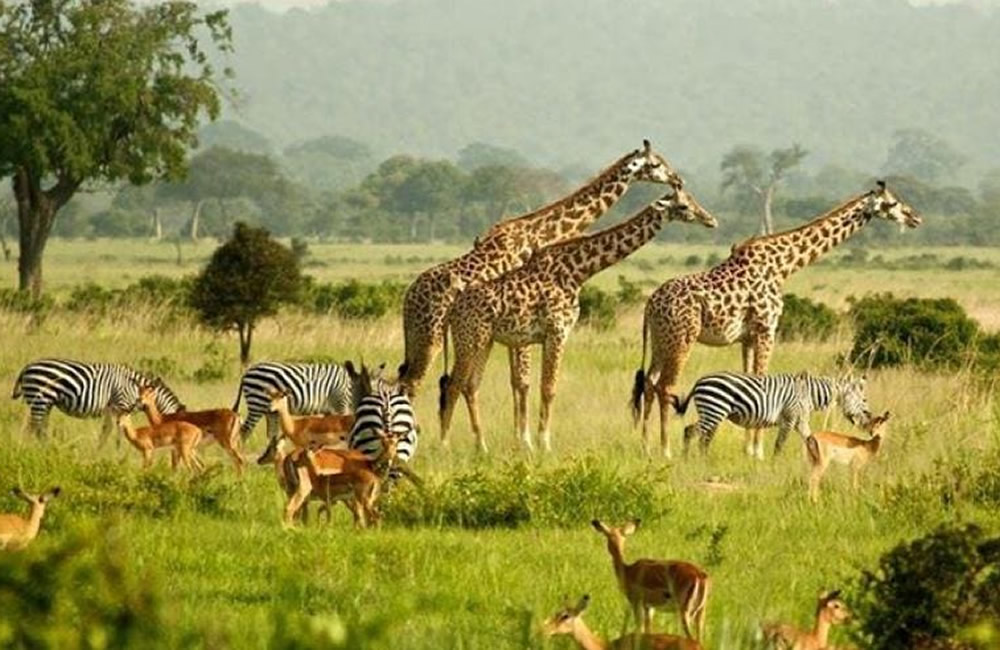
The rivers and lakes in Uganda provide opportunities to spot hippos, crocodiles, and hundreds of birds, such as the shoebill stork, which is often called “prehistoric-looking” because of its strange appearance. Uganda is also home to antelopes like kobs and eland, as well as giraffes and zebras in parks like Lake Mburo.
The mix of both rainforest and savannah ecosystems is what makes Uganda unique. It allows visitors to see an incredible variety of animals within just one trip, from gorillas in the misty forests to elephants roaming wide open plains. No matter your interest, whether it’s primates, predators, or rare birds, Uganda offers an unforgettable safari experience.
When is the best time of year to visit Uganda for a safari holiday?
The best time to visit Uganda for a great uganda gorilla safari largely depends on the weather, wildlife viewing opportunities, and the activities you are planning. Uganda has a tropical climate and experiences two main rainy seasons: March to May and October to November. These rainy periods can make some roads muddy and harder to navigate, and trekking trails can become slippery. For this reason, most travelers prefer the dry seasons: June to September and December to February.
During the dry seasons, the weather is sunnier, and the landscapes are less wet. This makes activities like ugandan gorilla trekking and game drives in national parks much easier and more enjoyable. One of the biggest advantages of visiting during the dry season is that animals tend to gather around water sources more frequently, making wildlife sightings much easier. For example, you’ll have a good chance of seeing lions, elephants, and giraffes during a game drive in places like Queen Elizabeth National Park or Murchison Falls National Park.
That said, the “wet” or rainy seasons also have their perks. Nature is lush, green, and beautiful following the rains, and there are fewer tourists, so it’s less crowded and often quieter. This can be a good time to visit if you’re looking for a more peaceful experience. Additionally, the rainy season tends to be more budget-friendly, as some accommodations and tour operators offer discounted rates during these periods. For avid bird watchers, Uganda’s wet seasons are particularly great because many migratory birds visit the country in these months.
Example: If gorilla trekking is your main focus, most travelers recommend January or June, as the forest trails are less muddy, and gorillas are easier to track under clearer conditions.
What is gorilla trekking, and how can I participate in this activity?
Gorilla trekking is a once-in-a-lifetime experience that involves hiking into the magical rainforest to see mountain gorillas in their natural habitat. These critically endangered mountain gorillas can only be found in a few places in the world, including Uganda’s Bwindi Impenetrable National Park and Mgahinga Gorilla National Park. This incredible activity allows a small number of people to spend up to one hour with a gorilla family after locating them on foot during their Uganda gorilla safari.
To participate in this unforgettable adventure, you need to obtain a gorilla trekking permit, which acts as a ticket granting you entry to meet the gorillas. In Uganda, these permits are issued by the Uganda Wildlife Authority and cost around $700 USD per person. As these permits are limited to ensure minimal disturbance to the gorillas, it’s wise to book them in advance, sometimes months ahead, especially for the peak season of Ugandan gorilla trekking.
On the day of your trek, you’ll join a group led by experienced rangers and guides who will brief you on what to expect. They provide essential rules for interacting safely with the gorillas, such as maintaining a distance of at least 7 meters to protect them from human illnesses and keeping your voice low. The trek through the rainforest can take anywhere from 1 to 6 hours, depending on how far the gorilla family has moved. Once you find them, you’ll have 60 magical minutes to observe and photograph these incredible creatures.
Trekking might involve hiking uphill, navigating dense foliage, and crossing muddy trails, so you’ll need reasonable fitness. For added convenience, you can hire porters who help carry your belongings during the trek, making your Uganda gorilla experience even more enjoyable.
What is the cost of a Uganda safari, and what factors influence the pricing?
The cost of a Uganda safari can vary widely, depending on factors like the activities you choose, the type of accommodation, the length of your trip, transportation, and the season. On average, a Uganda safari can cost anywhere from $1,500 to over $7,000 USD per person.
- Gorilla Trekking Permits: A major chunk of the cost is attributed to gorilla trekking permits, which, as mentioned earlier, cost $700 USD per person. If your trip includes chimpanzee trekking, permits for that typically range between $150–$200.
- Accommodation: Uganda offers a variety of accommodations, from budget lodges and campsites to luxury safari resorts. Budget options cost around $30-$80 per night, mid-range lodges cost $100-$300, and luxury lodges can go up to $800 or more per night.
- Transportation: Getting around Uganda typically involves a safari vehicle with a driver-guide. Costs for transportation and guides can start at around $150-$250 per day, depending on the vehicle type and group size. Internal flights between locations (e.g., from Entebbe to Bwindi) are an option but will add to the total cost.
- Season: Traveling during the peak dry seasons (June to September or December to February) is often more expensive since that’s when demand is highest for permits, accommodations, and guides.
- Duration: A shorter trip of 4-5 days will cost less than an extended safari of 10 or more days, which allows more time for activities like gorilla trekking, game drives, and visiting multiple parks.
Example: A 7-day classic Uganda safari that includes gorilla trekking in Bwindi and wildlife viewing in Queen Elizabeth National Park may cost about $3,000–$5,000 per person for mid-range accommodations, depending on how many extras you include in your itinerary.
To make your safari more cost-effective, consider traveling in a group to split vehicle and guide costs, or opt for budget accommodations while focusing on the must-do activities like gorilla trekking.
What are the accommodations like during a Uganda safari, from budget to luxury options?
During a Uganda safari, there’s a wide range of accommodations to suit different budgets and preferences, from basic, affordable lodgings to luxurious stays with incredible comfort and amenities.
For mid-range options, you’ll find moderately priced lodges and tented camps. These are more comfortable and provide private rooms, en-suite bathrooms, and good dining options. An example could be a lodge overlooking Queen Elizabeth National Park or Murchison Falls, where you wake up to spectacular views of the savanna or wildlife. Expect a more relaxed atmosphere, warm hospitality, and decent service, making it a great balance of affordability and comfort for those on a gorilla trek.
For those who want a luxury experience, Uganda has some incredible high-end lodges and boutique hotels located in and around national parks. These lodges focus on opulence, blending eco-conscious construction with high-end amenities. Picture yourself in a lavish lodge in Bwindi Impenetrable Forest with views of misty mountains as you sip your morning coffee. Luxury lodges may feature private decks, plunge pools, fine dining, spa treatments, and personalized services, perfect for honeymooners or travelers looking for a pampered experience on their Uganda gorilla safari.
Ultimately, no matter your budget, accommodations are strategically located to keep you close to Uganda’s wildlife and breathtaking landscapes. Whether you’re camping in the wild or enjoying a luxury treetop suite, Uganda has lodging options for every type of adventurer. The diverse wildlife and natural landscape make every stay unique, ensuring that you will love Uganda safaris.
In summary, Uganda offers a wide variety of accommodations for every traveler. From budget-friendly options to luxurious lodges, each choice allows you to experience the beauty and adventure of this fantastic wildlife destination while enjoying the rich culture and natural wonders of Africa.
Are Uganda safari holidays safe for tourists, and what precautions should travelers take?
Uganda is generally considered a safe destination for tourists, including those on Uganda gorilla safaris. The country has heavily invested in its tourism sector, and most tours, including gorilla trekking expeditions, are professionally organized with strict safety measures in place. However, as with any travel, it’s important to stay informed and take precautions.
When visiting Uganda on a safari, safety primarily revolves around following the guidance of your guides. For example, if you’re going on a gorilla trek, your guide will brief you about how to behave around wildlife. These animals are wild, so keeping a safe distance and not making sudden movements is essential. Always listen to your guide, they’re trained to keep you safe during your Ugandan gorilla trekking experience.
Crime targeted at tourists in Uganda is relatively rare, especially within national parks and tourist areas, which are well-protected. However, in major cities or towns like Kampala or Entebbe, petty crime like pickpocketing can occur, so it’s wise to stay vigilant. Avoid flashing valuables or wandering alone in unfamiliar areas at night. It’s always safer to be cautious.
Health-wise, Uganda is in a tropical region, so you’ll want to take measures against mosquito-borne illnesses like malaria. Always use insect repellents, wear long sleeves during evenings, and consider taking anti-malarial medication. Bring a travel health kit and make sure you’re up to date on vaccinations, such as yellow fever, before arriving.
Political instability can happen in any nation, so get up-to-date travel advice from your government or tour operator. Most safari routes and parks are far removed from city centers, meaning you’ll be enjoying peaceful, remote locations, perfect for wildlife encounters.
In short, Uganda is a safe and rewarding destination for those following basic travel safety rules, making it perfect for both first-time explorers and seasoned travelers alike!
What other activities or attractions can be combined with a Uganda safari, such as cultural experiences or adventure tours?
A Uganda safari offers plenty of exciting activities and attractions beyond wildlife spotting, making it a fantastic wildlife destination. By combining your safari with cultural experiences, adventure tours, or relaxation, you can truly discover Uganda and see the best of what this beautiful country has to offer.
For those interested in cultural experiences, Uganda is home to over 50 tribes, each with unique traditions, language, and music. Take the time to visit local communities, such as the Batwa people near Bwindi Impenetrable Forest. The Batwa are known as one of the original forest-dwelling communities, and you can learn about their ways of life, traditional songs, and medicinal plant knowledge. In Kampala, you might enjoy visiting the Ndere Cultural Centre, where live dance and music performances showcase diverse Ugandan heritage.
If you’re up for adventure activities, Uganda has you covered. One incredible option is white-water rafting on the Nile River in Jinja. It’s an exhilarating experience as you tackle rapids and enjoy stunning river scenery. For thrill-seekers, you can also try bungee jumping over the Nile. Additionally, hiking and trekking options abound, especially in areas like the Rwenzori Mountains, nicknamed the “Mountains of the Moon.” Conquering these peaks is challenging but offers unforgettable views of snow-capped peaks and alpine landscapes.
For those who want to relax and unwind, Uganda has serene natural spots. Lake Bunyonyi is perfect for canoeing, swimming, or just enjoying the tranquil atmosphere. You could even explore the Ssese Islands on Lake Victoria, known for pristine beaches and quiet getaways. Including a gorilla trek in your Uganda safari will enhance your experience, allowing you to witness the majestic mountain gorilla in its natural habitat.
A Uganda safari can also include birdwatching, particularly in destinations like Mabamba Swamp, where you might spot the rare shoebill stork. With so much on offer, there’s something for everyone in Uganda, making it a destination full of variety and unforgettable memories!
What do I need to pack and prepare for a safari in Uganda?
A safari in Uganda is super exciting, especially when you consider the incredible opportunities for Ugandan gorilla trekking. However, preparation is key to having a smooth adventure. Let’s break it down into categories of what to pack and prepare:
Clothing The weather in Uganda can vary because of its tropical climate, so layering is important. Bring comfortable, lightweight clothing in neutral colors (like beige, green, or khaki) to avoid attracting animals or insects. Long-sleeved shirts and trousers are a must for protection from the sun and pesky mosquitos. A good idea would be to pack a waterproof jacket or poncho since it can rain, even during the dry season.
Footwear Comfortable, sturdy hiking boots or trekking shoes are essential, especially if you’re gorilla trekking. You’ll be walking through dense forests, sometimes uphill, so proper shoes can make a big difference. It’s also wise to pack a pair of sandals or slip-on shoes for lounging around at your camp or hotel.
Gear and Accessories Binoculars are a must-have for spotting wildlife from a distance. A camera is equally important if you want to capture great shots of gorillas, lions, elephants, or the stunning landscapes. Make sure to carry extra batteries and memory cards since you might not always find charging stations. A flashlight or headlamp is super handy for navigating in the evenings.
Toiletries and Health Items Bug spray with DEET is essential to protect yourself from mosquito bites, which can carry diseases like malaria. Sunscreen and a wide-brimmed hat are also critical to shield yourself from the strong African sun. Don’t forget hand sanitizer, wet wipes, and basic toiletries. As for health preparation, consult your doctor beforehand about vaccinations required for Uganda, like yellow fever, and carry anti-malaria pills. Also, pack a basic first aid kit with medicines for headaches, stomach issues, and minor injuries.
Documents and Money Carry a valid passport (with at least 6 months’ validity), your Uganda visa (you can apply online), and permits if you’re planning to trek gorillas or chimpanzees. Bring some cash in US dollars for tipping guides or paying in rural areas, but make sure the bills are fresh and dated after 2009, as older ones are often not accepted.
Other Essentials Don’t forget a reusable water bottle to stay hydrated (you’ll often refill it at lodges). Also pack snacks, a power bank for your devices, and books or entertainment for downtime. Insect-proof clothing can also be useful, and for gorilla trekking, you may want gardening gloves to protect your hands when pushing plants aside.
By packing smartly and being well-prepared, you’ll avoid unnecessary stress and get the most out of your Uganda gorilla safari adventure!
How do I obtain permits for gorilla or chimpanzee trekking in Uganda?
Gorilla and chimpanzee trekking are two of the most sought-after activities in Uganda, making it a premier wildlife destination. Permits serve as your “ticket” to this unforgettable experience, but they’re in high demand, so planning ahead is crucial to secure yours.
Where to Get the Permits The Uganda Wildlife Authority (UWA) is the main organization responsible for selling permits. You can purchase them directly through the UWA’s website, at their office in Kampala, or through a licensed tour operator. Many people prefer using a tour operator because they can help secure permits as part of your travel package.
How Much Do They Cost? Gorilla trekking permits currently cost $700 per person for foreign non-residents as of 2023. For foreign residents, the price is $600, and East African citizens pay around UGX 250,000. Chimpanzee trekking permits are far more affordable, ranging from $150 to $200 per person, depending on the location. Keep in mind these prices may change, so it’s best to double-check with the UWA or your tour operator.
When to Book? Permits are limited – only a small number are issued daily to minimize the impact on the gorillas and their habitats. It’s recommended to book at least 6 months in advance, especially if you’re traveling during the peak season (June to September and December to February).
What Do Permits Include? Your permit covers the guided trek, one hour of time with the gorillas, and park entry. However, it doesn’t include accommodations, meals, or tips for the guides and porters.
Examples Say you’re interested in gorilla trekking in Bwindi Impenetrable Forest National Park. You can contact a tour operator, and they’ll check availability and book your permit for specific trekking dates. Similarly, if you want to visit chimpanzees in Kibale National Park, your tour operator will handle the process and ensure proper scheduling.
Planning ahead ensures you get permits for the dates you want, so think of them as the golden ticket to an unforgettable experience in Uganda’s magical rainforest!
How do Uganda safaris compare to safaris in other African countries like Kenya or Tanzania?
Uganda safaris are unique because they combine traditional savannah safaris with amazing forest and jungle experiences. Let’s explore how Uganda stacks up compared to Kenya and Tanzania, which are known for their classic safaris. With its incredible wildlife encounters, Uganda is a fantastic wildlife destination for any traveler looking to experience the best of Africa.
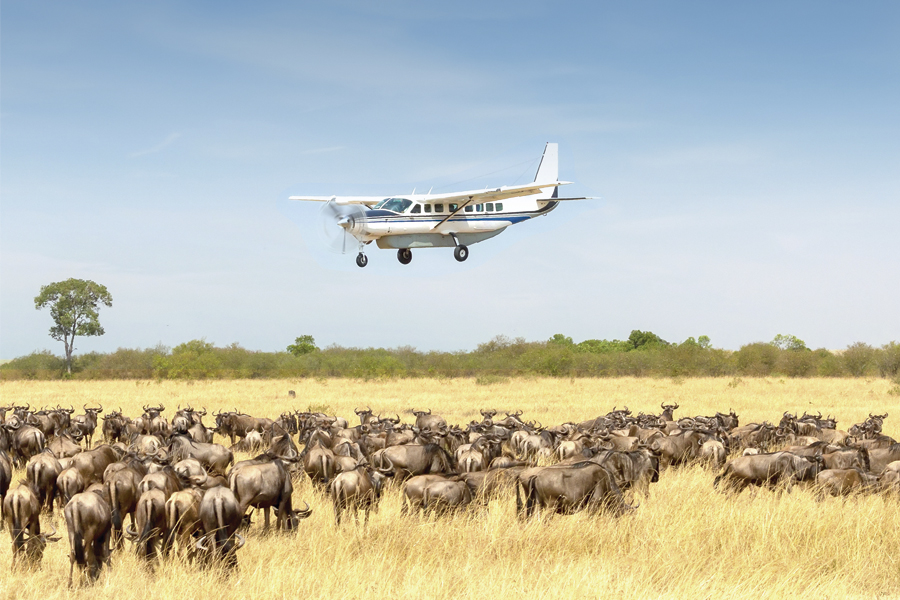
Wildlife Varieties Kenya and Tanzania are celebrated for their vast savannahs filled with iconic animals like lions, zebras, wildebeests, and cheetahs. The Great Migration, in particular, makes these countries very famous. Uganda also offers savannah safaris in parks like Queen Elizabeth National Park and Murchison Falls National Park. However, Uganda has something unique: mountain gorillas and chimpanzees, which you won’t find in Kenya or Tanzania. The chance to trek into lush forests and see endangered primates in places like Bwindi or Kibale is what makes Uganda stand out.
Landscape and Scenery Uganda is extremely diverse when it comes to landscapes. You get everything from rolling savannahs and misty mountains to dense rainforests and shimmering lakes. Kenya and Tanzania are also stunning, but they’re more dominated by savannahs and dramatic features like Mount Kilimanjaro and the Serengeti plains. Uganda’s mix of jungle and savannah feels a little different and often appeals to those looking for variety.
Crowds and Atmosphere Kenya and Tanzania are much more popular with tourists, so their parks, especially the Serengeti or Maasai Mara, can get crowded during peak seasons. Uganda, on the other hand, is quieter and more intimate. You can have a more personal experience with fewer people around, whether you’re tracking gorillas or enjoying a boat safari.
Costs Generally speaking, Uganda safaris are often considered more affordable than those in Kenya or Tanzania. Gorilla trekking tends to be expensive, but even with that added in, many travelers find Uganda offers good value, especially for those looking for unique primate encounters alongside classic savannah safaris.
Conclusion If you want the quintessential “Lion King” safari with endless savannahs, Kenya and Tanzania are unbeatable. But if you’re eager for a more varied adventure – combining gorillas, chimpanzees, and game drives – Uganda offers something truly special and less conventional. It’s all about what kind of experience you’re looking for!