A safari in Uganda doesn’t just mean animals, it’s an adventure that comes in many different forms. Uganda is often called the “Pearl of Africa” because it has so much to offer, from incredible wildlife to breathtaking landscapes and cultural experiences. The main types of safaris in Uganda are Wildlife Safaris, Gorilla Trekking Safaris, Chimpanzee Trekking Safaris, Birdwatching Safaris, Adventure Safaris, Cultural Safaris, and Luxury vs. Budget Safaris.
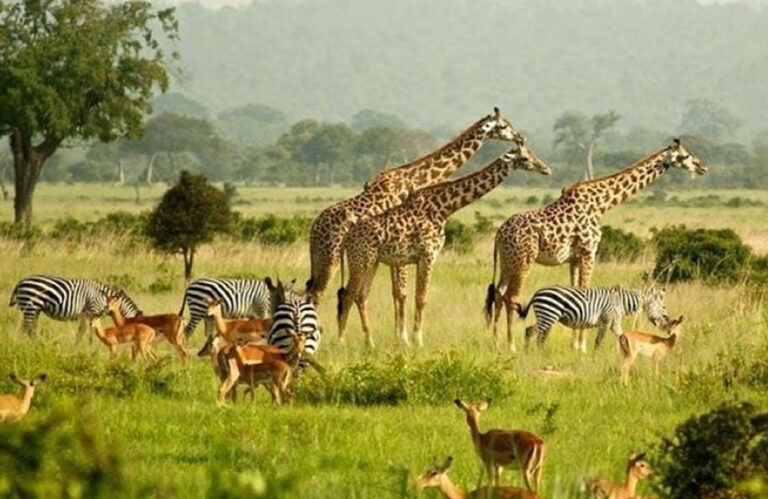
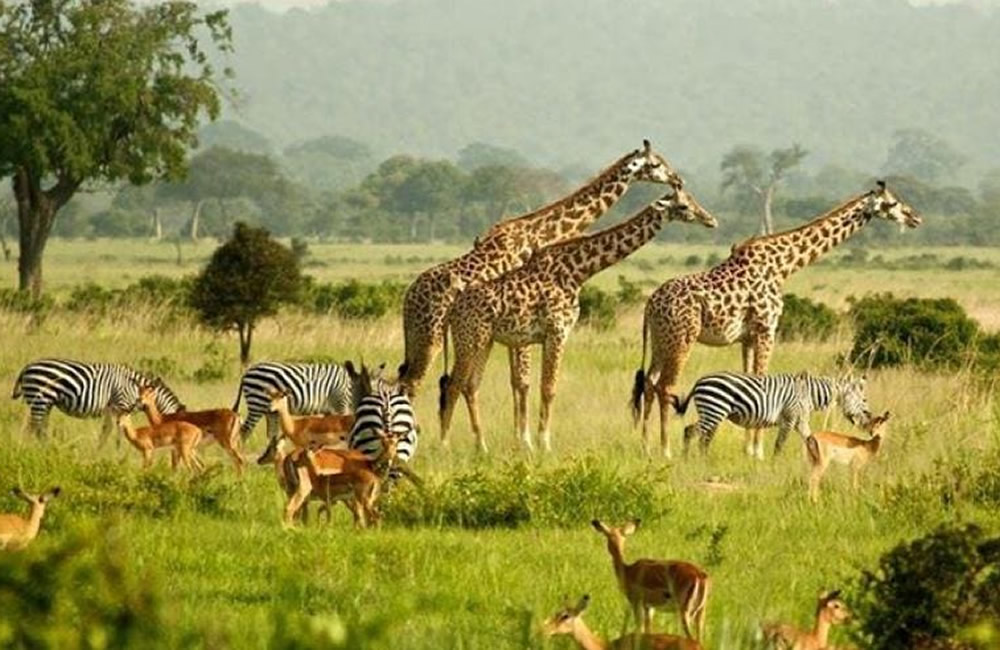
- Wildlife Safaris are the traditional type of safari where you go on game drives (like nature road trips in jeeps) to see animals like lions, elephants, giraffes, and zebras. This usually happens in national parks such as Queen Elizabeth National Park or Murchison Falls National Park.
- Gorilla Trekking Safaris are super unique and a huge reason tourists love Uganda. Here, you hike through forests to see mountain gorillas in their natural habitat. You’ll often visit places like Bwindi Impenetrable Forest or Mgahinga Gorilla National Park for this.
- Chimpanzee Trekking Safaris focus on trekking to find chimpanzees in their natural homes. Unlike gorillas, chimps are more active and energetic, and this experience can be found in places like Kibale National Park.
- Birdwatching Safaris let you see some of Uganda’s incredible bird species like the iconic Shoebill or colorful kingfishers. Uganda has over 1,000 bird species, so bird enthusiasts love it here.
- Adventure Safaris include thrilling activities like hiking, white-water rafting, or climbing mountains like the Rwenzoris. Adventure lovers typically head to the Nile River or Mount Elgon.
- Cultural Safaris give you the chance to meet Uganda’s local communities, learn dances, explore traditional ways of life, and taste local food. It’s all about people!
Finally, many things you do in Uganda can be tailored to your budget, so you can choose a Luxury Safari (with high-end accommodations and private tours) or a Budget Safari, which is more affordable but still fun with simpler options. Uganda has every type of safari for every kind of traveler.
What is a wildlife safari in Uganda, and which national parks are best for this?
A wildlife safari in Uganda is like an epic outdoor adventure where you travel into nature to see amazing animals that you usually only see in zoos or on TV. On a wildlife safari, you’ll get to spot creatures like elephants, lions, buffalo, giraffes, hippos, zebras, and even leopards in their natural environment. The best way to enjoy this is through game drives, which are guided tours in 4×4 vehicles driven through national parks. You can also take boat safaris to see aquatic life and experience the ecosystem near rivers and lakes.
One of the most popular national parks for wildlife safaris is Queen Elizabeth National Park. It’s famous for its tree-climbing lions in the Ishasha sector and has a great variety of animals as well as scenic features like the Kazinga Channel, where you can go on a boat safari to see hippos, crocodiles, and hundreds of birds close up.
Murchison Falls National Park is another top choice for wildlife safaris. It’s home to giraffes, elephants, lions, and other classic African wildlife. What makes it extra special is Murchison Falls itself, a powerful waterfall where the Nile squeezes through a narrow gorge, creating a stunning view.
For a more exclusive experience, you can visit Kidepo Valley National Park, located in the remote northeastern part of Uganda. It’s often called one of Africa’s last true wildernesses because it’s not crowded and has incredible views of wildlife roaming the plains.
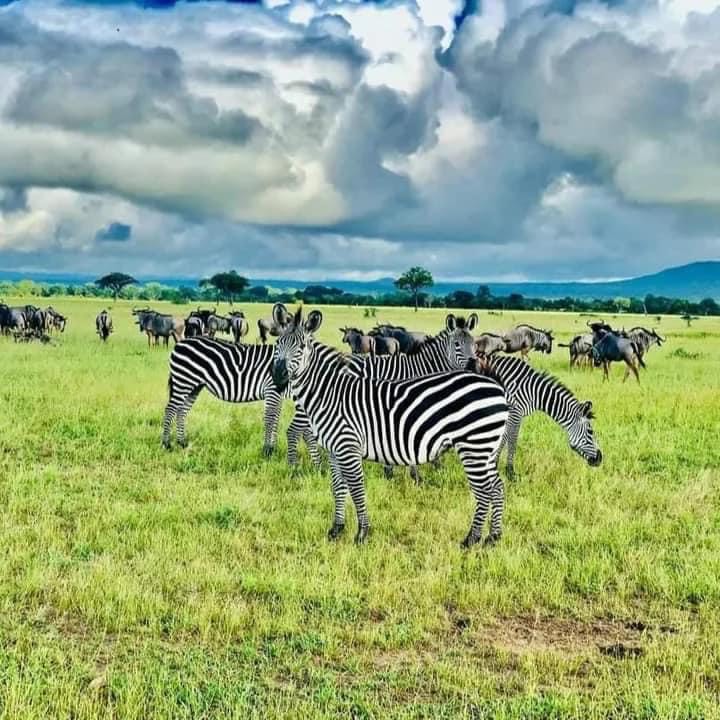
Lastly, there’s Lake Mburo National Park, which is more compact but perfect for spotting grazers like zebras, antelopes, and hippos. Plus, you can even go on foot safaris (guided walks), something that isn’t common in other parks. With all these parks, Uganda is a paradise for wildlife lovers.
What is a gorilla trekking safari, and where can it be done in Uganda?
A gorilla trekking safari is a once-in-a-lifetime experience where you hike through dense forests to visit mountain gorillas in their natural habitat. It’s like meeting wild gorillas face-to-face while they go about their lives, eating, playing, grooming, or taking care of their babies. Mountain gorillas are endangered and can’t survive in captivity, which makes this experience even more special because it’s one of the only ways to see them up close. It’s also a key reason why Uganda is famous globally for safaris.
In Uganda, there are two main places to go gorilla trekking: Bwindi Impenetrable Forest National Park and Mgahinga Gorilla National Park.
- Bwindi Impenetrable Forest is the most popular destination and is home to almost half of the world’s remaining mountain gorilla population. It has several trekking trails, and the chances of finding gorillas are pretty high because they have habituated “gorilla families.” Habituation means these gorillas are slightly used to human presence, so they’re comfortable enough for people to visit but still live fully wild lives.
- Mgahinga Gorilla National Park is smaller but equally exciting. It’s also part of the larger Virunga Mountains, which stretch into Rwanda and the Democratic Republic of Congo. Here, you may encounter gorillas as well as golden monkeys, another rare species.
The trek itself can take anywhere from 1 to 6 hours, depending on where the gorillas are that day. You’ll hike alongside a guide and ranger team, and once you find the gorillas, you’re allowed to spend about one hour with them. You’ll see how gentle and family-oriented these animals are, and it’s often an emotional experience. Trekking permits cost around $700 per person for one trek, and the funds go toward conservation efforts to protect these majestic creatures.
What is a chimpanzee trekking safari, and how is it different from a gorilla safari?
Chimpanzee trekking safaris are tours where you explore Uganda’s lush rainforests to find and observe wild chimpanzees in their natural habitat. Chimpanzees are social, intelligent primates that share about 98% of their DNA with humans, which makes these encounters fascinating. The two main places for chimpanzee trekking in Uganda are Kibale National Park, often called the “Primate Capital of the World,” and Budongo Forest Reserve near Murchison Falls National Park. Other locations include Kalinzu Forest and Kyambura Gorge in Queen Elizabeth National Park.
Chimpanzee trekking is different from gorilla trekking for several reasons. Firstly, chimps are far more active and agile than gorillas. They spend a significant part of their day in treetops, loudly calling to each other, and moving around in large groups, known as communities, which can range from 20 to over 100 chimps. Therefore, chimp trekking often involves following their sounds and sightings as they move through the forest.
Gorillas, on the other hand, are calmer and more stationary because they live in smaller family groups led by a dominant silverback. They are typically found on the forest floor. Gorilla trekking takes place mostly in Bwindi Impenetrable National Park or Mgahinga Gorilla National Park, where visitors hike to find a specific gorilla family that stays in a defined territory.
In short, chimpanzee trekking is often more fast-paced and thrilling due to the rapid movements of chimps, while gorilla trekking is more tranquil and intimate since gorilla families stay in one place longer. Both experiences offer incredible opportunities to witness our closest relatives in the wild but are tailored to the species’ unique behaviors.
What are birdwatching safaris in Uganda, and what key bird species can be spotted?
Birdwatching safaris, or birding safaris, in Uganda cater to enthusiasts who want to spot and identify the country’s colorful and diverse bird species. Uganda is considered a birdwatcher’s paradise, with over 1,000 bird species, making it one of the richest destinations for birding in Africa. Uganda’s variety of habitats, from rainforests to wetlands, savannas, and lakeshores, supports this incredible diversity.
Key birding destinations in Uganda include Mabamba Swamp, famous for the rare and prehistoric-looking shoebill stork, the “holy grail” of birdwatching in Uganda. Bwindi Impenetrable Forest is home to many forest species, including the African green broadbill and Albertine Rift endemics. Queen Elizabeth National Park, Murchison Falls National Park, and Lake Mburo National Park also boast excellent birding opportunities, with savanna birds, aquatic birds, and more.
Aside from the shoebill, other key species include the vibrant great blue turaco, the striking grey crowned crane (Uganda’s national bird), the African fish eagle, and rarities like the green-breasted pitta or the Papyrus gonolek, which lives in wetlands. Even casual visitors can enjoy spotting more iconic birds like hornbills, sunbirds, and kingfishers.
Birdwatching safaris usually involve a local bird guide who can identify bird calls, subtle movements, and remote birding spots. Binoculars or a zoom camera are essential for a successful safari, as many birds are often spotted high in trees or far across wetland areas. These safaris appeal to all levels of bird enthusiasts, from hobbyists to seasoned ornithologists. Uganda’s unparalleled variety makes it a top birding destination worldwide.
What is the difference between a luxury safari and a budget safari in Uganda?
A luxury safari and a budget safari in Uganda are both ways to explore the country’s beauty and wildlife, but they differ significantly in cost, accommodations, and overall comfort.
Luxury safaris are high-end experiences offering premium services and amenities. Accommodations on these safaris include five-star lodges, boutique hotels, or luxury tented camps in stunning locations with breathtaking views. Expect features like private plunge pools, gourmet meals, spas, and exquisite interior designs. Luxury safaris often include private guides, custom safari vehicles, and time-saving options like domestic flights between parks, reducing the need for long drives. For example, a luxury safari to Bwindi Impenetrable National Park might include a stay at the exclusive Sanctuary Gorilla Forest Camp, and expert-guided, small-group treks to see mountain gorillas.
On the other hand, budget safaris are more affordable, catering to travelers who want an authentic experience without the frills. Accommodations might include more basic options, such as campsites, budget lodges, or hostels. Meals are typically simpler, and travelers might use shared transportation or drive in groups to reduce costs. For example, budget safaris might use lodges like Buhoma Community Rest Camp in Bwindi or basic camps near Queen Elizabeth National Park. While these trips are more economical, they still offer thrilling wildlife experiences, though services may not be as polished or customizable.
The choice between luxury and budget safaris depends on what kind of experience you’re seeking and your financial plan. Luxury safaris provide ultimate comfort and convenience, while budget safaris are perfect for adventurous travelers looking for affordable ways to enjoy Uganda’s natural beauty. Either way, both options bring you up close to Uganda’s incredible wildlife and landscapes!
Are there cultural or community-based safaris in Uganda, and what can one experience?
Yes, Uganda offers incredible cultural and community-based safaris that allow you to connect with the local people, learn about their traditions, and experience their way of life. These types of safaris are different from the typical wildlife-focused trips because they emphasize people and culture rather than animals or landscapes. Uganda has over 50 tribes, each with its unique customs, music, dances, and stories, making it a rich cultural destination.
One of the most popular cultural experiences in Uganda is visiting the Batwa pygmies near Bwindi Impenetrable Forest. The Batwa were the original forest dwellers, and on a cultural tour, you can learn how they used to survive in the rainforest by hunting and gathering. They demonstrate traditional hunting techniques, show how they made use of medicinal plants, and perform songs and dances that tell their stories.
Another example is visiting the Karamojong people in northeastern Uganda near Kidepo Valley National Park. These semi-nomadic cattle herders have fascinating customs, including unique dressing styles and symbolic ceremonies. You can tour their “manyattas” (homesteads), hear about their traditional beliefs, and learn how cattle play a central role in their lives.
In addition to visiting specific tribes, you can participate in community tourism projects. For instance, in areas like Jinja, women’s groups run craft-making workshops where you can learn how to weave baskets or make jewelry. These initiatives help support local livelihoods while giving you an authentic cultural experience.
Cultural safaris also include traditional dance and drumming performances, visits to historical sites like Kasubi Tombs or the Uganda Martyrs Shrine, and food tastings where you can try traditional Ugandan dishes like matoke (steamed bananas) and groundnut sauce. These cultural encounters don’t just teach you about Uganda’s traditions; they foster an appreciation for its people.
Can one go on self-drive safaris in Uganda, or are guided tours the only option?
Yes, self-drive safaris are an option in Uganda, but they come with certain considerations. In a self-drive safari, you rent a vehicle (usually a 4×4) and explore Uganda’s parks and wildlife areas on your own. This is appealing for travelers who want to explore at their own pace, enjoy privacy, or stick to a budget. However, Uganda is not as developed for self-drive tourism as some other African countries like South Africa.
One of the benefits of self-drive safaris is flexibility. You can decide when to wake up, how much time to spend in a specific park, or whether to stop and take photographs whenever you want. For example, you could drive through Queen Elizabeth National Park at your leisure, stopping to watch elephants near Kazinga Channel or lions climbing trees in Ishasha.
That said, there are some challenges. Uganda’s roads, particularly outside major cities, can be rough, poorly marked, or difficult to navigate. Roads in the parks may require you to have experience driving off-road vehicles. In addition, wildlife spotting might be harder without the expertise of a guide who knows animal behavior and where to look.
If you’re new to Uganda or African safaris, you might opt for a partial guided experience. For example, you can rent a vehicle with a driver-guide. This way, you don’t have to worry about navigating unfamiliar terrain, and you’ll benefit from the guide’s local knowledge about where to find wildlife and cultural highlights.
Also, keep in mind that some activities, like gorilla trekking, always require a guide because they involve walking in dense forests under strict rules to protect the animals and visitors. Still, as long as you plan carefully and research the parks and conditions, a self-drive safari in Uganda can be thrilling and memorable.
What are the options for adventure safaris, such as hiking or white-water rafting in Uganda?
Uganda is not just about wildlife safaris, it’s also a dream destination for adventure enthusiasts. The country offers various options for adventure safaris, ranging from hiking in stunning landscapes to adrenaline-pumping water activities. Here’s a breakdown of what you can do:
- Hiking and Mountain Climbing: If you love trekking, the Rwenzori Mountains, also called the “Mountains of the Moon,” are a must-visit. This mountain range is home to Uganda’s highest peak, Margherita, which stands at 5,109 meters (16,762 feet). Hiking the Rwenzori Mountains offers a combination of dramatic scenery, including snow-capped peaks, glaciers, and alpine vegetation. For shorter hikes, Mount Elgon in eastern Uganda is another fantastic option. It has quiet trails, caves, and hot springs.
- White-Water Rafting and Kayaking: The Nile River, flowing from Lake Victoria, is a hotspot for water-based adventures. Jinja is known as the “Adventure Capital of East Africa” for a reason. White-water rafting on the Nile features thrilling rapids ranging from Grade 3 to Grade 5. Experienced guides ensure safety while you brave the roaring waves. If rafting feels too intense, you can try kayaking or jet boating for a different kind of water adventure.
- Gorilla and Chimpanzee Trekking: While this isn’t an extreme sport, trekking through dense forests like Bwindi Impenetrable National Park is an adventurous experience. It involves hiking through steep and muddy terrain before encountering mountain gorillas or chimpanzees. The hike can be challenging but highly rewarding.
- Bungee Jumping: For the ultimate dose of adrenaline, you can bungee jump over the Nile River in Jinja. This experience isn’t for the faint-hearted, but it’s guaranteed to leave you with unforgettable memories.
- Safari Walks and Nature Treks: In places like Lake Mburo National Park or Ziwa Rhino Sanctuary, you can take guided walking safaris, where you get closer to wildlife like zebras, antelope, and rhinos.
- Mountain Biking: Mountain biking tours are popular in locations like Mount Elgon or the trails near Mabira Forest. It’s a great way to immerse yourself in Uganda’s landscapes while getting a workout.
Whether you’re climbing rugged mountains, fighting through rapids, or trekking through rainforests, adventure safaris in Uganda offer something for every thrill-seeker. Just bring your sense of adventure and a love for the outdoors!
Are photographic safaris common in Uganda, and what equipment is suited for this?
Photographic safaris are increasingly popular in Uganda because of its breathtaking wildlife, stunning landscapes, and unique experiences like gorilla trekking. These safaris focus on giving photographers , both amateurs and professionals , the chance to capture beautiful photos of animals, landscapes, and cultural highlights. Since Uganda is home to iconic wildlife like lions, elephants, and gorillas, as well as scenic areas like Lake Victoria and the Rwenzori Mountains, it’s a dream location for wildlife and nature photographers.
For these safaris, having the right equipment can make all the difference. A DSLR or mirrorless camera with a good zoom lens is essential because animals are not always close. A lens in the range of 200mm to 400mm can help you get clear, close-up shots of animals from a safe distance. Wide-angle lenses are great for landscape shots or photographing the vast savannah or lush forests. It’s also important to carry extra batteries and memory cards, as you’ll be taking lots of pictures, and you don’t want to run out of power or storage.
Another piece of important equipment is a sturdy tripod or monopod , this helps stabilize your camera for sharper images, especially in low-light conditions like early mornings or evenings when many animals are active. Don’t forget rain covers for your gear, especially if you’re photographing in forests like Bwindi Impenetrable National Park, which can get rainy and damp.
Photographic safaris often include guides or drivers who understand photography and will help you find the best angles, lighting, and wildlife spots. For example, they’ll position your vehicle so you can take great shots of lions on a tree branch in Queen Elizabeth National Park. Pro tip: practice patience. Wildlife photography needs time, as you might wait for hours to capture that perfect moment when an animal looks at the camera or starts moving.
What are Uganda’s family-friendly safari options for travelers with children?
Uganda offers many family-friendly safari options that cater to travelers with children, making it a great destination for families looking to combine adventure and education. While some activities like gorilla or chimpanzee trekking have age restrictions (usually for those above 15 years), there are plenty of other child-friendly alternatives. These safaris focus on shorter travel times, fun activities, and ensuring everyone stays safe and entertained.
One popular option is a wildlife safari in parks like Queen Elizabeth National Park or Murchison Falls National Park, where families can enjoy game drives to see animals like elephants, giraffes, antelopes, and lions. These drives are exciting and often tailored to children by adding fun trivia or challenges to keep them engaged. For example, kids might keep track of how many animals they see or learn cool facts about the animals from their guide.
Boat safaris are another excellent option. Families can take a leisurely boat ride along the Kazinga Channel in Queen Elizabeth National Park or the Nile River in Murchison Falls National Park, spotting hippos, crocodiles, and colorful birds along the way. These safaris are particularly enjoyable for younger kids since they don’t require walking but still offer amazing views and wildlife encounters.
Uganda’s cultural experiences are also perfect for families, as they offer chances for children to engage and learn about local traditions. For instance, families can visit communities near Lake Bunyonyi or Bwindi Impenetrable National Park to learn how locals farm, cook, or make crafts. Kids can take part in activities like learning to weave or drumming, which are not just fun but also educational.
For families with adventurous older kids, Uganda also has soft adventure options like guided nature walks or hiking in places like Mabira Forest. Lodges in Uganda can accommodate families with kid-friendly menus, swimming pools, and even babysitting services for when parents want to relax. Remember, travel companies often tailor family-friendly safaris to ensure they match children’s attention spans and energy levels.
How are multi-destination safaris organized to explore various parts of Uganda?
Multi-destination safaris in Uganda are organized to give travelers the chance to experience the country’s diverse landscapes, wildlife, and cultures in one seamless trip. Since Uganda has so much to offer , from savannah safaris in places like Queen Elizabeth National Park to gorilla trekking in Bwindi Impenetrable National Park and birdwatching along Lake Victoria , these safaris combine multiple destinations into a single itinerary. The key is careful planning to make the journey smooth and enjoyable.
Typically, organizing a multi-destination safari involves creating a route that connects key attractions without wasting too much time in transit. Most itineraries start in Kampala or Entebbe, as these are close to Uganda’s main international airport. From there, travelers may head west to visit destinations such as Murchison Falls National Park, known for its powerful waterfall and big game viewing. Afterward, they might travel south to visit Kibale Forest for chimpanzee trekking or Queen Elizabeth National Park for game drives and boat safaris.
One highlight in many multi-destination itineraries is gorilla trekking in Bwindi Impenetrable National Park, located in the southwestern part of the country. Since it’s far from Kampala, most multi-destination safaris include stops at parks or attractions along the way to break up the journey.
Tour companies often handle the logistics for multi-destination safaris, arranging transportation (like 4×4 safari vehicles or domestic flights), lodging, park entry permits, and guides. For example, lodges are often selected based on their proximity to popular activities, such as staying near the Buhoma sector in Bwindi for gorilla trekking or the Kazinga Channel for a boat safari.
Traveling between these destinations often involves long drives due to Uganda’s road conditions. However, many travelers find this rewarding because the drives offer scenic views of rolling hills, tea plantations, and rural villages. Guided tours make it even easier, as guides ensure all connections run smoothly while sharing insights about Uganda’s culture, wildlife, and landscapes during the journey.
For those on shorter schedules or looking for more convenience, domestic flights are available through airlines like Aerolink, connecting key destinations like Bwindi, Queen Elizabeth National Park, and Murchison Falls. Multi-destination safaris are an excellent option to get the full Ugandan experience while taking in as much variety as possible. With proper planning, travelers can enjoy game drives, primate trekking, cultural visits, and scenic landscapes all in one trip!